Provide Your Baby’s Natural Nutrition Through Lactation
Breastfeeding your child can be a wonderful experience for both mother and baby. Providing this natural nutrition through lactation is a great start in creating a lifelong emotional bond. Whether you are new to this or have experience with breastfeeding, challenges can come up especially in the early days.
Lactation is your body’s amazing process of producing and secreting milk from the breasts. But ensuring the child gets enough nutrition through breastfeeding includes so many factors, like the time commitment and environment, baby latching, nipple pain, alternating bottle feeding, transition to solid foods, and much more.
If you’re having breastfeeding challenges, we’re the ones to call.
Book a Lactation Support Visit
Metro patients have access to our board-certified lactation consultants (IBCLC) for one-on-one coaching and hands-on assistance. Some of our lactation consultants are also experienced pediatric care providers who can address both primary care and breastfeeding needs in the same visit. Contact us to help you with general breastfeeding, latching, milk supply, pumping, or formula-feeding transition.
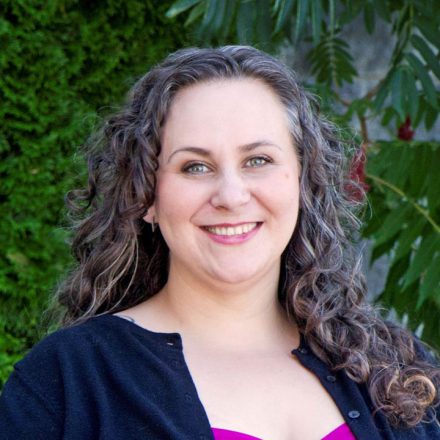
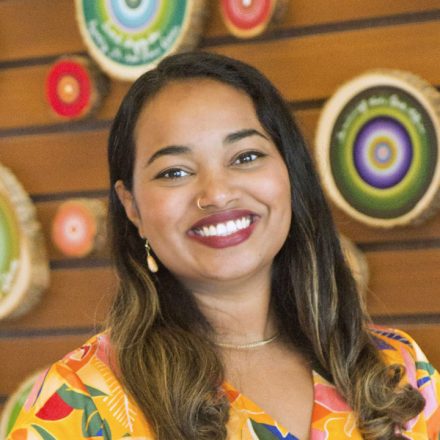
Bridgeport with Dr. Allison Baynham, Pediatrician, IBCLC
Happy Valley Sunnyside with Irma Sulejmanovic-Bordeaux,PNP, IBCLC
Johnson Creek with Megan Dunn, IBCLC
NW Portland with Bryna Hayden, IBCLC

Support for Your Breastfeeding Success
We completely understand how important it is to feel successful with breastfeeding. Count on us to support you with newborn care. It takes time for both mom and baby to get into the rhythm of breastfeeding successfully. We encourage you to be patient, take care of yourself with plenty of fluids and a healthy diet, and give us a call if we can help you.
What is an IBCLC?
IBCLC stands for International Board Certified Lactation Consultant. It is the highest level of certification for lactation consultants. To become an IBCLC, lactation consultants must meet the following requirements:
- Have a bachelor’s degree in nursing, medicine, or a related field.
- Complete 90 hours of lactation-specific education.
- Complete 1,000 hours of clinical experience working with breastfeeding mothers and babies.
- Pass a rigorous exam that tests their knowledge of breastfeeding.
Typical Breastfeeding Challenges
Here are some areas where our lactation consultants have experience and can help a patient:
- Latching problems, nipple pain, bleeding and/or cracked nipples
- Slow weight gain in babies and increasing supply
- Assessing for tongue tie and lip tie symptoms along with post-frenotomy care
- Oversupply, plugged ducts, mastitis, thrush
- Pumping issues and return-to-work planning/troubleshooting
- Weaning from the nipple shield (and fixing the issues that led to nipple shield use in the first place)
- Straight, lesbian, gay, queer, poly, and trans families – LGBTQ2IA+ friendly
- Nursing after breast reduction or augmentation
- Safe sleep and safe co-sleeping practices
- Medications and procedures that may affect lactation
Please contact your baby’s primary care physician with any of these concerns, or make an appointment with a lactation consultant.
Lactation Resources
National Breastfeeding Helpline: 877-452-5324
BreastBeginnings
BreastBeginnings is an app that provides resources and support to learn about breastfeeding before baby arrives and during the first few months of breastfeeding. It has a tracker that records feed times, number of breast/bottle feeds, and pees and poops; links to amazing resources that can be sorted by age or topic; and how-to videos on just about anything breastfeeding-related.
- Apple devices: Download on the App Store
- Android devices: Get it on Google Play
BabyLink
BabyLink is a text/phone service that connects expectant families in Clackamas County with information and community resources. Call or text: 971-400-7832.
The Womanly Art of Breastfeeding is a classic guide to breastfeeding that includes helpful advice for working moms and those nursing multiple children, new tips and stories from real moms, helpful sidebars, and more.
Websites
- Baby Blues Connection
- Babywearing Videos (@Wrapyouinlove)
- Childcare and Human Milk (Oregon Health Authority)
- COVID-19 and Breastfeeding (CDC)
- COVID-19: Pregnancy, Childbirth and the Postnatal Period (WHO)
- Cue-Based Bottle Feeding
- Droplet, latching and hand expression
- Exclusive Pumping
- Global Health Media, helpful videos on many breastfeeding topics
- KellyMom, general breastfeeding information
- LactMed: Drugs and Lactation Database
- La Leche League International
- Laws and Rights for Breastfeeding/Lactating Parents (Oregon Health Authority)
- MilkWorks Breastfeeding Information Center
- Rachel O’Brien, IBCLC – Blog
- US Lactating Parent and Employer Resources (US Breastfeeding Committee)
- Responsive Bottle Feeding Video (Carolyn Honea, IBCLC)
- Return to Work or School (Oregon Health Authority)
- Safe Formula Preparation (HealthyChildren.org)
- Safe Formula Preparation (Mayo Clinic)
- Tongue Ties
Mental Health and Support Groups
- Legacy Health Baby and Me Group
- National Maternal Mental Health Hotline: 1-833-TLC-MAMA (1-833-852-6262)
- Postpartum Support International, a directory to find a therapist trained in perinatal mood and anxiety disorders, plus support groups